Many businesses choose a network cabinet only after finalising their servers, switches, and networking setup. While this may seem convenient, it can lead to space issues, poor airflow, difficult maintenance, and upgrade challenges later.
A network cabinet is not simply a place to house equipment. It affects airflow, cable organisation, equipment access, maintenance efficiency, and room for future expansion. Industry guidance from infrastructure standards bodies such as BICSI consistently emphasises organised ICT infrastructure planning because physical design decisions directly affect manageability and long-term performance.
This is why choosing a network cabinet for a project in Dubai deserves more consideration than many businesses give it. Office environments, server rooms, commercial facilities, and growing enterprise setups all have different infrastructure demands, and a cabinet that works in one setting may create limitations in another.
The real challenge is not choosing a cabinet that fits today’s hardware; it is choosing one that continues to support operational needs as technology requirements evolve. That is where many purchasing decisions begin to go off track.
The Biggest Mistake? Treating a Network Cabinet Like a Standard Storage Unit
One of the most common mistakes businesses make is choosing a network cabinet based only on available space or appearance. At a glance, it may look like a simple enclosure for storing switches, patch panels, servers, or related equipment. In reality, it plays a much larger operational role. A properly selected cabinet helps support equipment performance, accessibility, and long-term infrastructure management.
A network cabinet used within a Dubai facility should be evaluated as infrastructure equipment, not office furniture.
A suitable cabinet contributes to:
- Controlled airflow to help manage equipment heat
- Organised cable routing for easier maintenance
- Secure access for sensitive networking hardware
- Enough depth and rack capacity for installed devices
- Room for future additions without immediate replacement
Network switches, servers, and power equipment generate heat during normal operation. If airflow is restricted because the cabinet is undersized or poorly designed, equipment performance and reliability can be affected.
Accessibility matters too. A cabinet that makes cable tracing, equipment replacement, or routine servicing difficult can increase maintenance time and operational disruption.
The right selection is about choosing a cabinet that fits the equipment, the environment, and the expected growth of the business. That distinction is where many purchasing decisions go wrong.
What Businesses Commonly Overlook Before Buying
Buying decisions often focus on immediate equipment needs, but a network cabinet has to support day-to-day operations long after installation. That is where important details are often missed.
| Selection Factor | What Businesses Commonly Miss | Why It Matters |
| Cabinet Size | Only planning for current hardware | Limited upgrade flexibility |
| Ventilation | Ignoring airflow and heat output | Reduced equipment reliability |
| Cable Management | No routing strategy | Slower maintenance and troubleshooting |
| Physical Security | Basic access control was overlooked | Greater equipment risk |
Size and Equipment Fit
Not all networking equipment has the same dimensions. Rack unit height (U size) is only one part of the decision. Cabinet depth matters just as much, especially for switches, servers, patch panels, and power distribution units that require rear clearance for cabling and airflow.
Businesses also tend to plan for what they are installing now, rather than what they may add later. Choosing a network cabinet for your infrastructure in Dubai based only on current requirements can result in early replacement costs when infrastructure expands.
Cooling and Ventilation
Heat management is a practical infrastructure concern. Networking equipment generates continuous heat, and inadequate airflow can shorten equipment lifespan or affect stability.
Cabinet design plays a role here. Ventilated doors, fan compatibility, equipment spacing, and room airflow all influence thermal performance. APC and other infrastructure manufacturers consistently stress airflow planning as part of equipment environment design.
Cable Management and Accessibility
Messy cable layouts may seem manageable initially, but they create problems when maintenance becomes routine. Clear cable routing improves identification, reduces accidental disconnections, and makes future changes easier.
Accessibility also matters. If technicians struggle to reach equipment or trace connections, even simple servicing can take longer than necessary.
Security and Physical Access
Network equipment often contains critical business infrastructure. Unrestricted physical access increases unnecessary risk.
Quick buyer checklist:
- Is the cabinet lockable?
- Is it suitable for the installation environment?
- Can authorised personnel access equipment easily?
- Does the layout support secure cable organisation?
Choosing the Right Cabinet for Your Business Environment
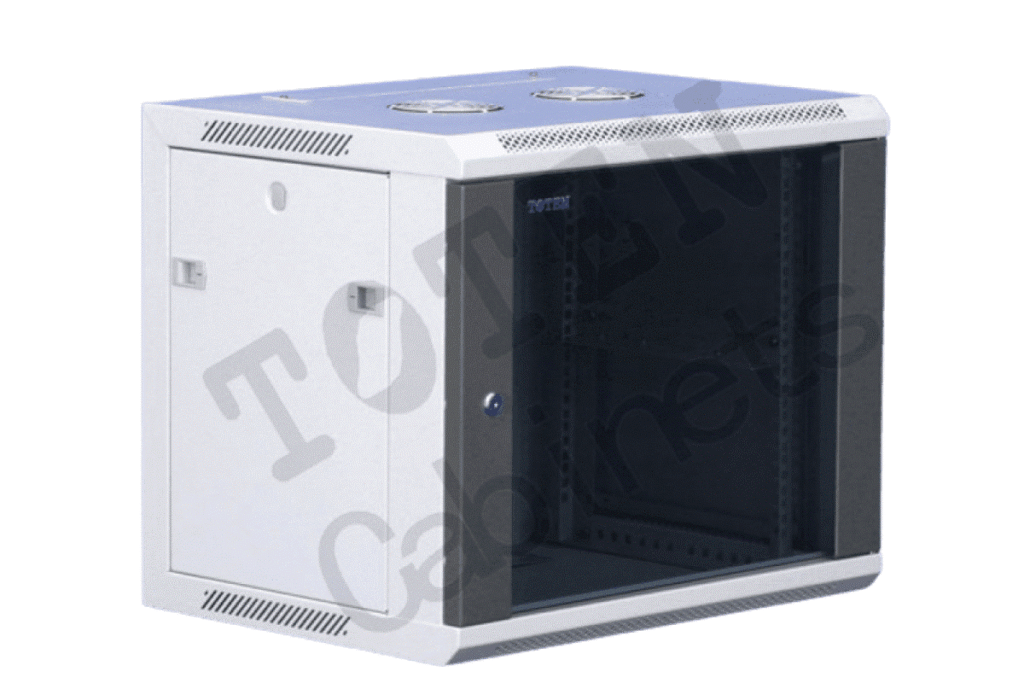
The right cabinet depends as much on the installation environment as it does on the equipment inside it. A setup that works well for a small office may be completely unsuitable for a dedicated server room or a larger commercial facility. That is why choosing a network cabinet for your setup in Dubai should be based on practical operational needs rather than a one-size-fits-all approach.
Here’s a simple way to think about it:
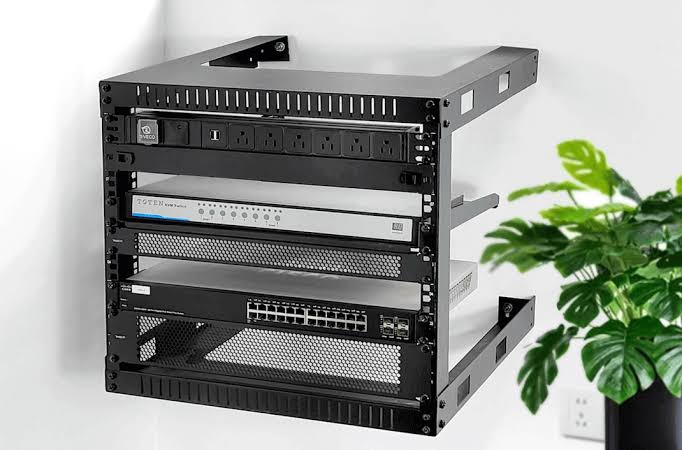
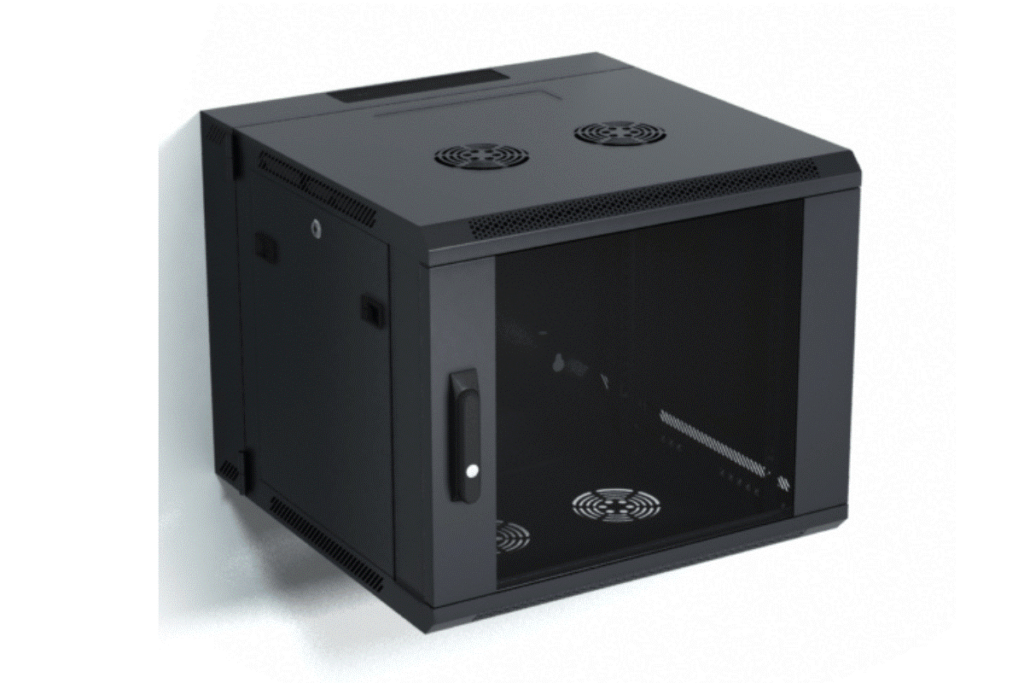
- Small office setups: Wall-mounted cabinets are often suitable for lighter networking requirements, such as switches, patch panels, and compact communication equipment, especially where floor space is limited.
- Growing business environments: Floor-standing cabinets offer more flexibility when infrastructure is expected to expand. They provide greater equipment capacity, improved cable organisation, and easier equipment access.
- Server rooms or enterprise environments: Higher-density installations may require cabinets designed for heavier equipment loads, better airflow management, and structured power distribution support.
- Shared commercial environments: Security becomes more important when multiple teams or contractors have access to infrastructure spaces. Lockable cabinets with controlled access features make practical sense.
Environmental conditions also matter. Temperature, dust exposure, equipment density, and maintenance accessibility all influence cabinet suitability. So it is recommend to matching enclosure design to operational conditions rather than selecting purely by dimensions.
Why Long-Term Infrastructure Planning Matters
Network infrastructure rarely stays unchanged for long. Teams add switches, upgrade connectivity, expand security systems, or introduce new hardware as business needs evolve. A cabinet chosen only for current requirements can quickly become restrictive.
That is why decisions for network cabinets for a Dubai-based project should be made with future infrastructure planning in mind.
A simple planning check helps:
- Will additional equipment be added within the next few years?
- Is there enough space for structured cable growth?
- Will maintenance remain practical as the setup expands?
Industry infrastructure guidance consistently supports scalable planning because physical limitations can create unnecessary operational friction later. A slightly better-planned investment upfront often proves far more practical than replacing infrastructure sooner than expected.
Plan the Right Infrastructure from the Start
Choosing the right cabinet is not just about equipment storage; it is about building infrastructure that remains practical as your business grows. Zoomline Network helps businesses evaluate infrastructure requirements with long-term usability in mind.
If you are looking for a dependable network cabinet for your Dubai office, our team can help you identify solutions that match your environment, equipment, and expansion plans. Connect with our expert team for practical guidance on building organised, scalable network infrastructure that supports day-to-day business operations with confidence.
FAQs
Can an existing office network cabinet be upgraded instead of being replaced?
Yes, in some cases. It depends on structural condition, available rack space, load capacity, airflow design, and compatibility with newer equipment. If the enclosure can safely support planned additions and proper cable organisation, upgrades may be practical. If physical limitations restrict performance or maintenance access, replacement becomes the smarter long-term option.
How do I know if my current cabinet has enough airflow for new equipment?
Check equipment heat output, cabinet ventilation design, internal temperature patterns, and clearance around installed hardware. Warning signs include overheating alerts, frequent equipment throttling, or consistently warm enclosed spaces. Manufacturer thermal guidelines can help, but a professional infrastructure assessment provides clearer answers when adding higher-density switches, servers, or power components.
Are wall-mounted network cabinets suitable for growing businesses?
They can work well for smaller networking setups, branch offices, or light communication infrastructure, but growth plans matter. Wall-mounted cabinets have limited space and load limitations. Businesses expecting additional switching, structured cabling expansion, or larger hardware requirements may outgrow them quickly, making floor-standing options a more flexible long-term infrastructure choice.
What certifications or standards should businesses look for in network cabinets?
Look for compliance with recognised manufacturing and safety standards relevant to enclosure design, structural integrity, and equipment compatibility. IEC-related certifications are commonly referenced for enclosure products. Beyond certifications, build quality, load ratings, ventilation design, and compatibility with standard rack-mounted networking equipment are equally important in commercial purchasing decisions.
Should power distribution units and cooling accessories be planned with the cabinet purchase?
Ideally, yes. Power distribution, ventilation accessories, and cable management components directly affect cabinet usability. Buying the enclosure first and addressing supporting infrastructure later can create compatibility issues or inefficient layouts. Planning these elements together helps ensure cleaner installation, better thermal management, and fewer operational adjustments once equipment deployment begins.
Latest Blog Post List
- APC UPS
- Aten KVM
- CCTV Cameras
- Copper Cable
- Corning
- D-link
- D-link Router
- Eaton UPS
- Excel Cable
- Fiber Optic Patch Cord
- Fiber Optic Splitter
- Fortinet
- FTTH Cabinets
- Hp Switch
- IP PBX System
- Media Converter
- Molex
- Network Cabinet
- Nexans
- Others
- panduit
- Panduit Cable
- Power Distribution Unit
- Product News
- Schneider
- Server Cabinet
- Server Rack
- Splicing Machine
- Structured Cabling
- Technology
- Tp-link
- Tp-link Router
- Ubiquiti
- Ubiquiti Router
- Yeastar