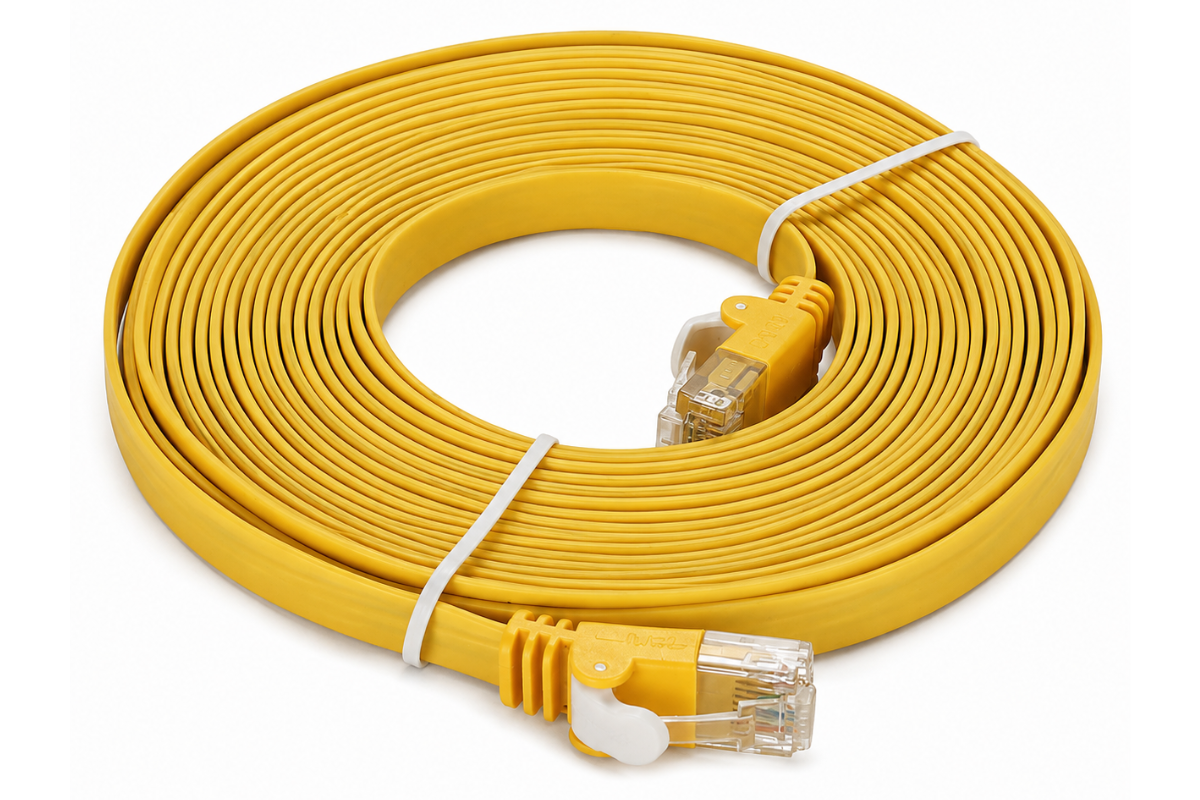
Every office network upgrade eventually comes down to a cabling decision, and Cat6 versus Cat6A is one of the most common questions raised during that process. The two cables look similar and are often priced close together, yet they perform very differently once a network is put under real load. For many offices working with D-Link suppliers in Dubai, such as Zoom Line Networks Technology LLC, this comparison comes up early in any structured cabling or network refresh project, well before switches, access points, or security systems are chosen.
What Is Cat6 Cable?
Cat6 cable supports gigabit speeds reliably and can handle 10-gigabit speeds over shorter distances, typically up to around 55 metres. It has a bandwidth rating of 250 MHz and has been a standard choice for office networks for over a decade. Its thinner build makes it easier to route through tight ceiling spaces and existing conduit, which keeps installation costs lower on smaller fit-outs.
What Is Cat6A Cable?
Cat6A is the augmented version of Cat6, built to sustain 10-gigabit speeds across the full 100-metre cable run rather than tapering off at shorter distances. Its bandwidth rating doubles to 500 MHz, and the cable includes additional shielding to reduce interference, particularly useful in offices with dense cabling runs or nearby electrical equipment. The trade-off is a thicker, stiffer cable that costs more to buy and install.
Key Differences at a Glance
- Maximum speed: Cat6 reaches 10 Gbps only over short runs, while Cat6A sustains 10 Gbps across the full 100 metre distance
- Bandwidth: 250 MHz for Cat6 compared with 500 MHz for Cat6A
- Shielding: Cat6A typically includes better shielding against interference
- Cable diameter: Cat6A is noticeably thicker, which affects conduit space and installation time
- Cost: Cat6 is cheaper per metre, though the gap narrows once labour and future upgrade costs are factored in
Which Cable Does a Dubai Office Actually Need in 2026?
The right choice depends less on office size and more on how the network is expected to be used over the next few years. Offices that rely heavily on cloud applications, video conferencing, and Power over Ethernet devices such as VoIP phones, access points, and security cameras tend to outgrow Cat6 faster than expected. This is one reason D-Link suppliers in Dubai often recommend Cat6A for any business planning meaningful growth, remote work expansion, or a move toward higher-density Wi-Fi coverage. Smaller offices with modest bandwidth needs and no immediate plans to scale can still get reliable performance from Cat6, particularly if a future upgrade path is built into the original cable layout.
Choosing the Right Installation Partner
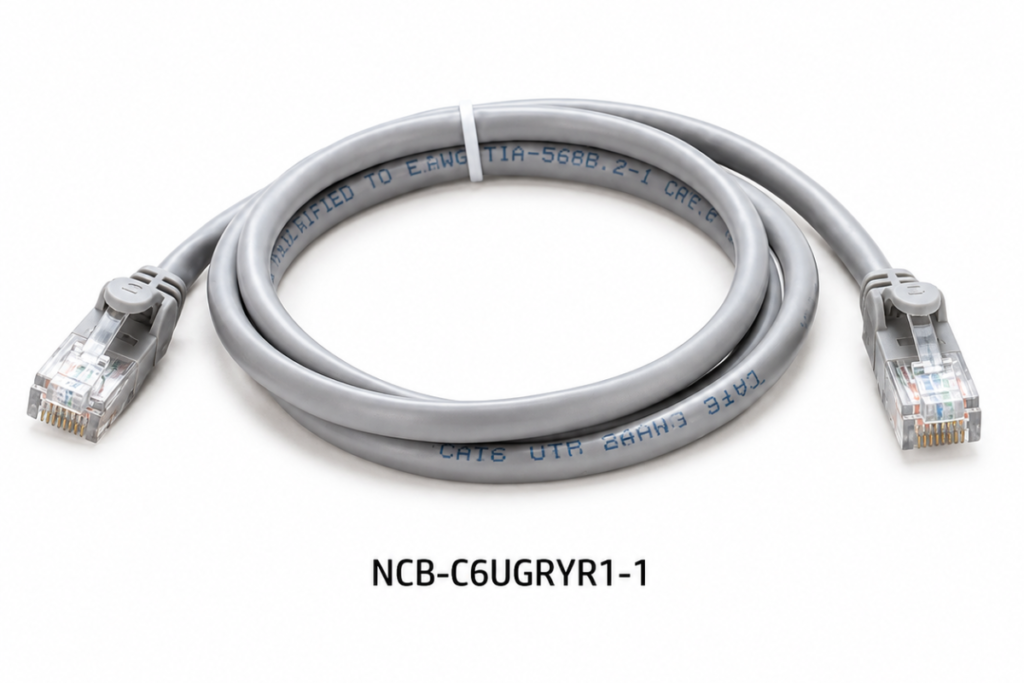
Cable selection only matters if the installation is done correctly, with proper termination, cable management, and testing once the run is complete. Working with experienced D-Link suppliers in Dubai, such as Zoom Line Networks Technology LLC, means cabling recommendations are based on the actual switches, access points, and PoE requirements being installed rather than a generic specification. The team assesses current network load, plans for future capacity, and matches the cabling standard to the equipment it needs to support.
Conclusion
Cat6 and Cat6A both have a place in office networks, and the right decision comes down to how much room a business wants to leave for growth. A network built for today’s needs alone often means another disruptive upgrade within a few years, while a slightly higher upfront investment in Cat6A can remove that problem for a long time.
Offices planning a network upgrade in 2026 can get in touch with Zoom Line Networks Technology LLC to review current cabling, discuss equipment compatibility, and plan an installation suited to the business’s actual usage rather than a one-size-fits-all approach.
- APC UPS
- Aruba
- Aten KVM
- CCTV Cameras
- Copper Cable
- Corning
- D-link
- D-link Router
- Eaton UPS
- Excel Cable
- Fiber Optic Patch Cord
- Fiber Optic Splitter
- Fortinet
- FTTH Cabinets
- Hp Switch
- IP PBX System
- Media Converter
- Molex
- Network Cabinet
- Nexans
- Others
- panduit
- Panduit Cable
- Power Distribution Unit
- Product News
- Schneider
- Server Cabinet
- Server Rack
- Splicing Machine
- Structured Cabling
- Technology
- Tp-link
- Tp-link Router
- Ubiquiti
- Ubiquiti Router
- Yealink
- Yeastar